Learning punctuation without breaking rhythm
A practical way to add commas, full stops and quotation marks without losing touch-typing flow.
- Published: 19 August 2026
- Editorial guide
- By Editorial Desk

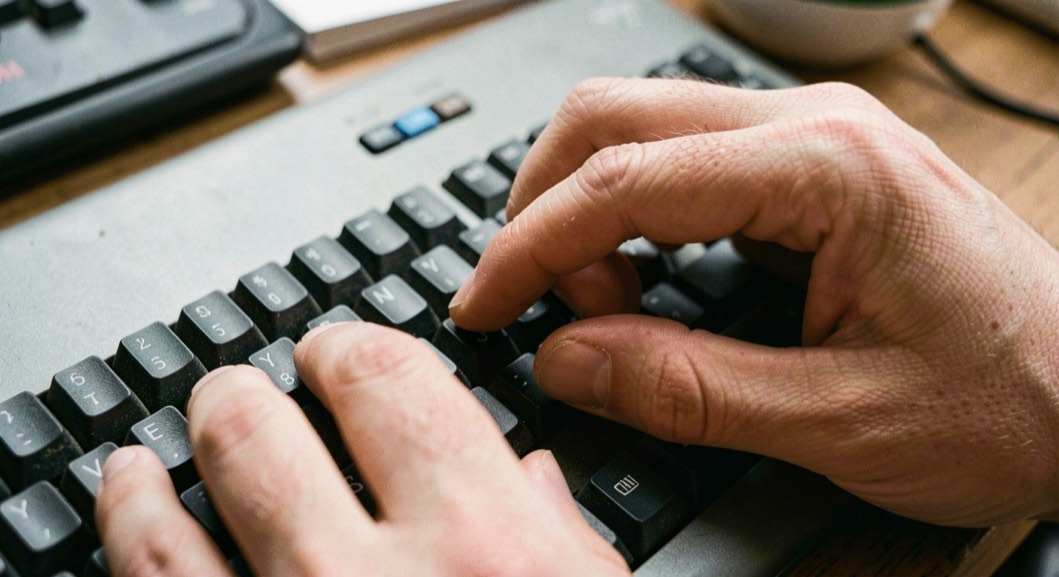
Treat punctuation as a movement transition, then make the transition predictable. The useful question is not how fast a single attempt looks, but whether the movement can be repeated with enough attention to notice what needs work.
Start with a slower version of the habit. Keep the keyboard, text length and session shape stable while you observe whether a pause comes from thinking or from reaching. When the observation is clear, change one variable and leave the rest alone. That keeps practice readable and makes a small improvement easier to recognize.
Make punctuation transitions easier to observe
Before the first set, decide what counts as a useful signal. A pause, a wrong key, a glance down or a tightening shoulder can all tell you more than a headline score. Write the signal in one short phrase so the next session has a concrete question.
Use a familiar passage first. Familiar text reduces the amount of attention spent on meaning, leaving more attention for movement. It also gives you a fairer comparison when the same exercise returns later in the week.
A repeatable sequence
- Choose one punctuation mark and write three ordinary sentences containing it.
- Slow the sentence until the punctuation arrives without a visual search.
- Add a second mark only after the first transition feels unremarkable.
Keep the pace deliberately ordinary while the pattern is new. If you have to rescue every other stroke, the exercise is too demanding for the question you chose. Make the passage shorter, reduce the reach or remove one punctuation mark until the signal becomes visible.
Review without chasing a perfect score
At the end, note what happened and what you will keep unchanged next time. One useful line might be “the reach slowed after punctuation” or “the number pair was accurate when I returned to home row.” A note like that is more actionable than a vague instruction to go faster.
Stop while the mechanics still feel familiar. Tired practice can teach a compensation that disappears when the session ends, leaving you with a score but no clear next step. A shorter session tomorrow is often the better continuation.
Accuracy gives rhythm somewhere to start.